
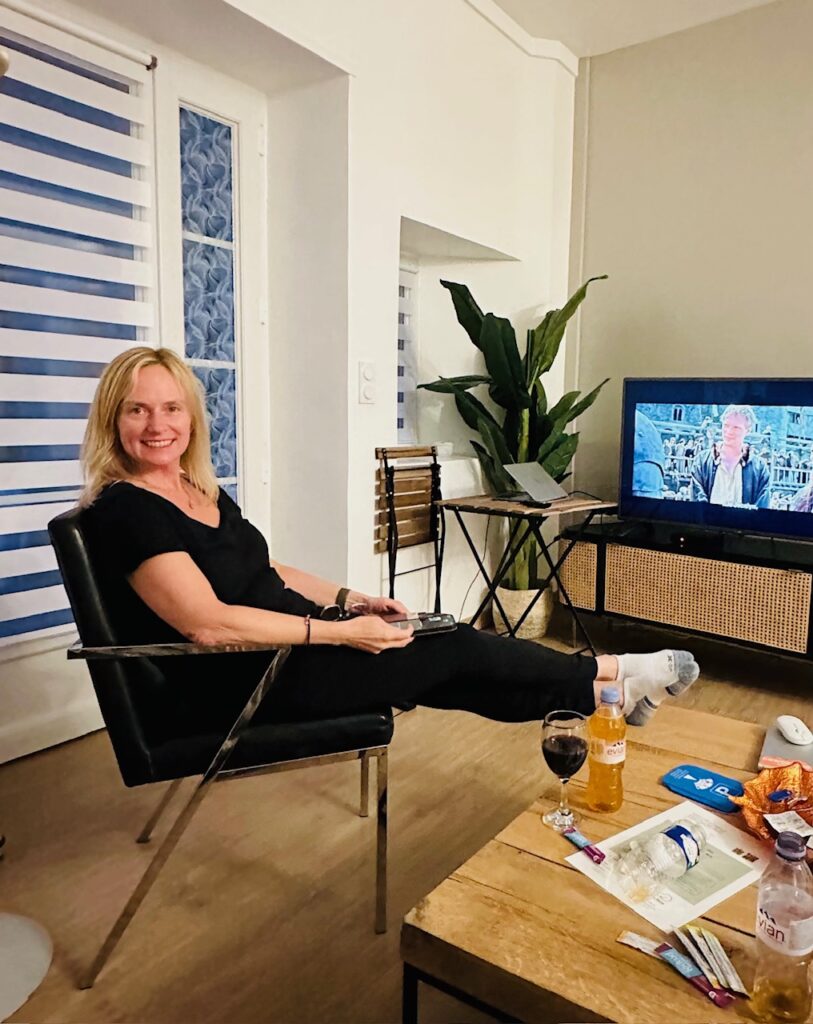

We live in Airbnbs most of the year. We also rent one out.
So I’ve asked for a better rate plenty of times, and plenty of people have asked me for one. I say yes more often than you’d probably guess, and the messages I say yes to have a few things in common.
Most people never ask at all. The number sits there on the screen looking like a price, and asking feels like haggling over somebody’s home.
It isn’t. On a long stay it’s an ordinary conversation, and on our own place I’d rather have it than watch the dates sit empty.
Ask before you book, not after
Once you’ve reserved, you’ve agreed to the number. Unwinding it afterward is a process on the host’s end, and most people aren’t going to take that on for you.
So the message goes first, which means finding the option to contact the host instead of the big button that books the place.
Airbnb moves things around, so I’m not going to send you hunting for a button that may have moved by the time you read this. On the listing page, look for the option to message the host. It’s the smaller, quieter one, and that’s on purpose. The platform makes money when you reserve.
What I look at when a request comes in
The first thing I click is the person. Not the dates, not the money.
I’m about to hand somebody I’ve never met the keys to a property we own, so I want to know who they are. Photo, verification, how long they’ve been on the platform, what they wrote about themselves. It takes about fifteen seconds and it decides most of what happens next.
Which is why my own guest profile is boring on purpose.
A clear headshot, smiling. Identity verified. I joined in 2014, so a host can see I’ve been doing this a long time. And an About section that says Matt and I are a married couple who travel for work. Nobody reading it thinks we’re coming to throw a party.
If your profile photo is you at a wedding with a drink in your hand, change it. It costs nothing and it’s the cheapest leverage you have.
Then I read what other hosts said about them
Two lines from a host who actually had this person in their place tell me more than anything a guest could write about themselves. You know this already from shopping. A product with no reviews and a product with three good ones are not the same product, even when they’re identical.
Three things get you those reviews, and none of them are hard.
Answer quickly and clearly, so nobody has to chase you for your arrival time. Follow the house rules somebody bothered to write down. And leave the place clean, not professionally cleaned, just clean the way a considerate adult leaves somewhere.
Do that and you’ll have reviews after two or three stays, and they work for you on every booking after that.
If you’re at zero right now, book a couple of short easy stays first and get some. You can still ask before you have any. You’ll just get told no more often.
The ask needs a reason
Wanting to pay less isn’t an argument. Solving a problem the host actually has is.
These are the five that work, and I know why they work because I’m on the other end of them.
A long stay. This is the strongest one and it isn’t close. A month booked in one go means I’m not turning the place over four times, not coordinating four arrivals, not looking at three orphaned nights in the middle that nobody will take. I’ll come down twenty percent for that and feel like I did well out of it. On a month or more, twenty percent is a normal thing to ask for. The same logic works going from nightly to weekly, just smaller.
Off season. Look up when your destination is actually quiet before you message anybody. A host in a slow month is a different person to negotiate with than the same host in July. Our best shoulder season discounts have come in Greece, Bulgaria, Malta, Portugal and the Caribbean.
A hole in the calendar. Open a busy listing and look for the odd empty stretch between two bookings. That usually means somebody canceled. Four empty nights two weeks out is money I’ve already lost, and somebody offering to fill them is doing me a favor, not asking me for one.
Flexibility. If your dates can move, say so early. Being willing to shift by a few days, or to take whatever gap needs filling, is worth real money to a host and almost nobody offers it.
Something you can actually do. If you take good photos, offer to shoot the place. Bad listing photos are a problem most hosts know they have and haven’t gotten around to fixing. If the description is in shaky English and yours isn’t, offer to clean it up. Money isn’t the only currency and hosts know that better than guests do.
A new host will often say yes, and you’re taking a risk to get it
A host with no reviews needs the booking and needs somebody to say they did fine, which is exactly why they’ll come down on price.
Be honest with yourself about what you’re trading, though. In my free guide How to Spot a Bad Airbnb Listing Before You Book I say that under fifteen reviews deserves real scrutiny and zero is a no unless you’re out of options, and I meant it. Reviews are the only independent information you get about a place.
So if you take the new-host discount, do the rest of the work properly. Ask whether short-term rentals are allowed in that specific building. Check that they’re identity verified. Ask enough questions to hear how they answer them.
And keep it short. A brand new host is a fine four-night booking. Not the month you’ve been planning since January.
How to word it
I can usually tell within a line whether somebody is asking me or working me.
Don’t open with the ask. Say hello, say something true about why you picked their place, ask a real question if you have one, and then ask.
Here’s what I send:
“Since it’s off season, would you be able to do anything on the rate for these dates?”
“We’re looking at the whole month rather than a couple of weeks. Would you consider a discount for the longer stay?”
A reason, then the question. No paragraph about your budget, no mention of the cheaper place down the road, and don’t ask twice.
One more thing, and it’s the fastest way to lose me. Don’t ask something the listing already answers. It tells me you didn’t read it, and you’re about to ask me for a favor.
Expect a no sometimes
Plenty of mine get turned down and some get no answer at all. I’ve let a few sit myself, on weeks when I was busy and the message didn’t give me anything to say yes to.
Keep the ask light and a no costs you nothing. You’ve still got the booking if you want it.
If you’re not in love with the place, go ask somebody else. If you are in love with it, book it at the asking price and stop thinking about the money. I’ve never regretted paying full freight for somewhere we loved.
What none of this tells you
All of the above moves the number. None of it tells you whether the place is worth the number.
That’s the harder skill and it’s most of what I actually do now. Whether those eight photographs are hiding the thing you’ll notice on day two. What the fine print does to the price you thought you were paying, which is where a good nightly rate turns into a bad total. What the reviews tell you if you read them for patterns instead of stars. And what order to do things in when something goes wrong.
And once you’re standing at the door with the keys, the pass I run before I unpack anything is in my free guide The First Ten Minutes in an Airbnb.
After they say yes
Do what you said you’d do. If you offered photos, take the photos. If you said you’d be flexible on dates, be flexible when they ask.
Then write them a good review. A host who came down on price and got a lukewarm review back remembers it, and I say that as somebody who remembers. Leave a real one, honest and warm, and leave the discount out of it. That part is between the two of you.
It’ll be waiting for you the next time you ask somebody.
The bottom line
On a longer stay the number on the screen is where the host started, not where they have to finish. The only reason most people pay it is that it never occurred to them to send a message.
Fix your profile so it answers the question a host is actually asking. Get a few reviews on easy bookings. Message before you reserve, give them a reason that solves a problem they have, ask once, and take the no gracefully when it comes.
Twenty percent on a month-long stay is a normal ask. Over a year of travel that adds up to real money, and it costs you one message and about ninety seconds.
Frequently asked questions
Can you really negotiate on Airbnb? Yes, with the host. They set the nightly rate and can adjust it for your dates. Airbnb’s own service fee isn’t theirs to waive, so what’s moving is the rate, and sometimes the cleaning fee, rather than the whole total.
Isn’t it rude to ask? No, if you ask once and politely and give a reason. I get asked regularly and I’ve never been annoyed by a good message. What gets on my nerves is haggling, asking twice, or being told what the place down the street charges.
How much should I ask for? Twenty percent on a month or longer. Something smaller on a week. Under a week I usually don’t bother unless I’m filling an obvious gap in the calendar.
Will asking cost me the booking? Not in my experience, as long as you’re pleasant. The worst thing that’s happened to me is being ignored. And a host who takes offense at one polite question has told you something useful about how the rest of the stay would have gone.
What if I have no reviews yet? Book a couple of short stays and earn some. You can ask before then, and a new host is the most likely person to say yes to a new guest, but your odds go up a lot once another host has vouched for you.
Does this work on VRBO and Booking.com? VRBO works the same way, because you can message the host before booking. Booking.com is built around instant confirmation and there’s usually nobody to ask, though longer stays there sometimes have a discount built into the price already.
Should I ever pay the host directly for a better price? No. That’s the one red flag I don’t make exceptions for. You lose every protection the platform gives you, and from where you’re sitting a shortcut and a scam look identical until it’s too late.
Subscribe to my newsletter!
I send one email a week. Real stories, what worked, what didn’t, and the practical things I only figure out by doing them. Plus my free packing guide and international travel checklist when you sign up.

3 comments
As an airbnb host, I really love what you suggest. Thank you for educating the other guests.
Hey Matt – Love your approach in this article to build rapport and avoid bulldozing into a negotiating since as you mentioned Airbnb can ban you! Additionally, you make a really strong points on noting if it’s a newer Airbnb host (little to no reviews), also if it’s a slow season. Those are definitely some golden nuggets that I learned. I wrote a similar article, would love your feedback on my approach. Here’s the article: https://newrichnomads.com/negotiate-airbnb-price/