
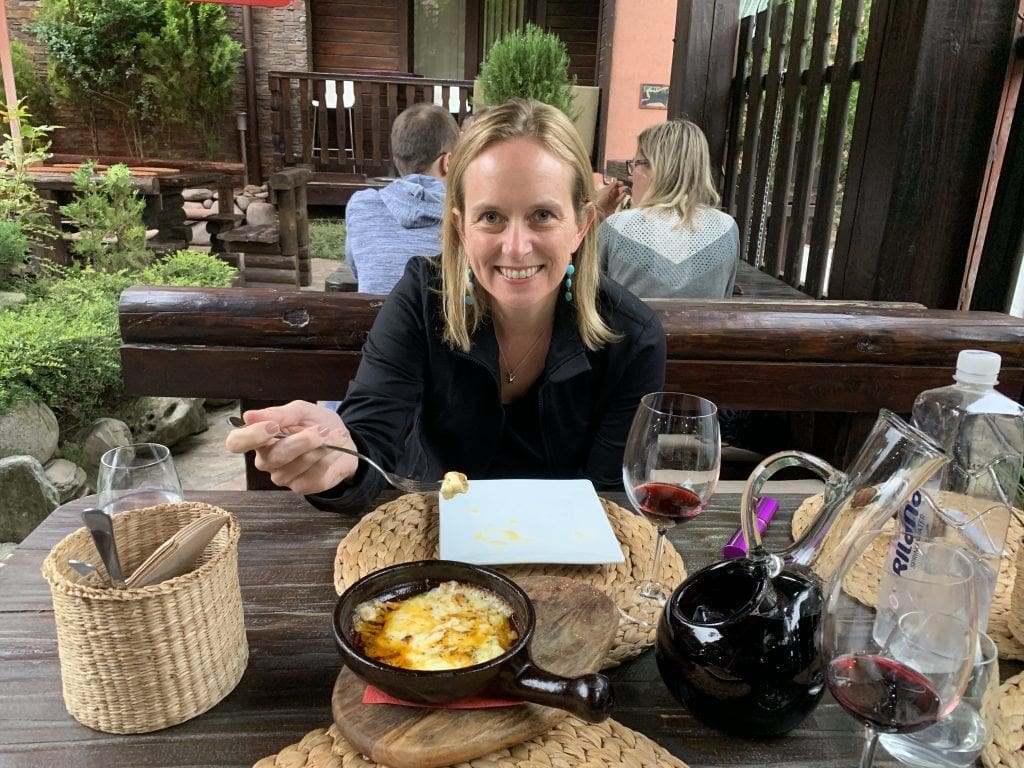

We eat lunch and dinner out almost every day, in whatever country we happen to be in, and we’ve eaten low carb the whole time.
We started eating this way in 2018, right before we sold everything and left. We were both heavier than we wanted to be, and neither of us wanted to haul that around the world for years. Counting calories and going back to the gym had worked before and then stopped working, every time, so I went looking for something we could keep doing.
What we landed on isn’t strict keto. Low sugar, low carb, plenty of good fat, and green vegetables we don’t bother counting. Simply prepared protein, olive oil, avocado, and nothing with sugar or processed carbs in it. Dirty keto is the closest name for it. We each lost about thirty pounds and it has stayed off for eight years.
People assume that’s the hard part. It really isn’t, once you know what to ask for.
Almost all of it comes down to two questions. Is it breaded, and what’s in the sauce. Get those right and the rest of the menu opens up.
Some links on this page are affiliate links. We may earn a commission if you use them. See our Affiliate Disclosure.
Breading is what gets you
Find out what breading is called wherever you are, and then avoid it.
This matters because “fried” can mean two completely different things. Sometimes it means cooked in a pan with oil, which is fine. Sometimes it means rolled in flour first and then fried, which isn’t. Same word, totally different carb count.
Google Translate gets you most of the way there. Ask whether there’s flour on the meat. When that doesn’t work (and it often doesn’t), we pull up a photo of breaded chicken and a photo of plain grilled chicken and let the waiter point.
I once ordered something the menu called a chicken filet and got a schnitzel. I spent five minutes scraping the batter off with a knife and it was still a bad lunch.
One more thing worth knowing: gluten free doesn’t mean low carb. Rice is gluten free, and there are breadings made from rice. A waiter who is trying hard to help will often land on gluten free because that’s the request they know, and it doesn’t get you to low carb.
Here’s the shortcut we use in a new country. Order chicken wings with no breading and no sauce. If you can get that across, you can order anything.
Assume there’s sugar in the sauce
Not a little sugar. Usually a lot.
In the US and western Europe it’s close to a guarantee. In Asia the amount ranges from a spoonful to something closer to a cup. Restaurant hamburgers can have sugar in them.
You can ask them to leave it out and sometimes they will. It’s easier to order dishes that don’t come with a sauce, or to ask for it on the side so you can taste it first.
What we do most of the time is ask for olive oil instead. We’ve never had a dish that wasn’t better for it, and we carry travel packets for the places that don’t have any.
Your side dishes are yours
Your main course is going to arrive with something, and it’s usually rice, potatoes or bread.
In Thailand we said no to rice at nearly every meal. In Poland and Bulgaria it’s potatoes. In Penang I turned down naan about ten times in one Indian meal, always nicely, and it was worth it. Bread that never comes to the table is easier to skip.
Ask for salad or grilled vegetables instead. Nobody minds.
Same with the bread basket. We turn it down every time and no server has ever been surprised.
What we actually order
Grilled anything. We’ve been to close to 100 countries and we’ve never found a menu without grilled meat, fish or vegetables somewhere on it. That’s the whole answer most nights.
For starters, a green salad with olive oil works everywhere. So does a cheese plate or a plate of sliced meats. In Argentina we found provoleta, which is cheese melted and browned in a little skillet, and we’ve ordered it every time we’ve seen it since. Shrimp, clams and mussels are easy too, though check what’s in the sauce.
Soup is where we usually pass. Between the thickeners and the sugar there’s too much you can’t see, unless the menu spells out what’s in it.
We don’t read the pizza and pasta sections at all. There’s no willpower involved. We’re not ordering from them, so looking is a waste of a minute.
We skip dessert as well and have a square of very dark chocolate back at the apartment instead.
Getting your waiter on your side
The direct approach works about half the time. Tell them you’re eating low carb and ask what they’d suggest.
The other half it turns into a conversation about gluten free, which isn’t the same thing. When that happens, stop explaining the diet and describe the plate instead. No flour on the meat. Sauce on the side. Vegetables where the rice would go.
It doesn’t always work. In Da Nang, Matt asked for pho without the noodles and got openly laughed at. So now he orders the regular pho and lifts the noodles out himself, and it works just as well.
The bottom line
Eating low carb in restaurants stopped being work for us years ago. It’s two questions and one substitution, and after a week in a new country you know how to say all of it.
What still takes planning is the travel day, when there’s no waiter and no menu to work with.
For the days with no restaurant
Airports, layovers and long drives are the part that actually takes planning.
How we’ve eaten since 2018, and the eighteen snacks that ride in our bags so we’re never stuck with a vending machine.
High Protein Travel Snacks: What We Pack After Eight Years of Low Carb
Subscribe to my newsletter!
I send one email a week. Real stories, what worked, what didn’t, and the practical things I only figure out by doing them. Plus my free packing guide and international travel checklist when you sign up.



3 comments
“Breaded”? I think you mean “crumbed”.
Just gotta say, I live in Bulgaria and I recognized those meat “swords” from Divaka right away. 😀